
Add Row
Add Element
cropper
update
update
Add Element
  • Home
  • Categories
    • Outdoor Living
    • Coastal Design
    • Interior Decorating
    • DIY Projects
    • Smart Homes
June 11.2025
2 Minutes Read

Essential Guide to Common Electrical Hazards and DIY Prevention Tips

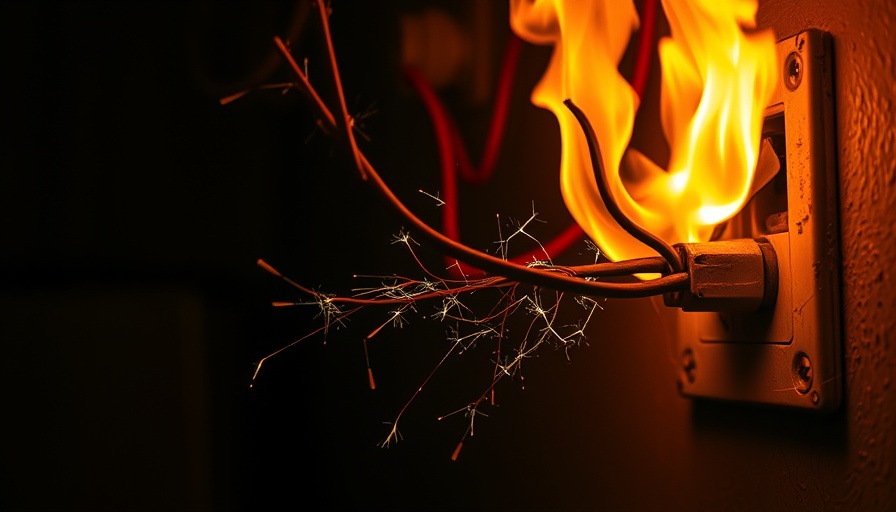
Common electrical hazards in homes: sparking wires and socket fire.

Understanding Electrical Hazards in Your Home

Electricity powers our lives, but it can also pose serious risks if not managed correctly. Homeowners need to be vigilant, as many electrical hazards exist in households that may go unnoticed until it's too late. By understanding these threats and taking preventive measures, everyone can enjoy a safe home environment.

Identifying Faulty Wiring and Overloaded Circuits

Faulty wiring is one of the leading causes of electrical fires, especially in older homes. If you notice frequent circuit breaker trips, flickering lights, or unpleasant burning smells, these may be signs of wiring issues. To address this, consider scheduling regular electrical inspections to identify potential problems early. Avoid overloading circuits with too many devices; instead, distribute your electrical load evenly.

Upgrade Your Electrical Panels for Safety

Your electrical panel is like the control center for all your home's power needs. An outdated panel can struggle to keep up with modern demands, resulting in overheating and potential fires. Hiring a qualified electrician to inspect the panel and upgrade it if necessary can greatly enhance safety and efficiency in your home.

Avoiding Improper Use of Extension Cords

Extension cords offer a quick solution for extra power needs; however, relying on them long-term creates hazards. Many people make the mistake of running cords under carpets, which can cause overheating. Use extension cords only as temporary fixes and consider having more outlets installed in high-demand areas instead.

Preventing Overloads with Power Strips

Power strips might seem convenient, but overloading them can lead to electrical failure or fires. Always plug high-energy appliances like space heaters directly into the wall. Choose power strips with built-in surge protection to safeguard your devices and your home.

Always Mind Water Around Electricity

Water and electricity don’t mix! To prevent shocking accidents, use Ground Fault Circuit Interrupters (GFCIs) at outlets near water sources. Always keep appliances away from wet areas and ensure your hands are dry before using any electrical devices.

Conclusion: Taking Action for a Safer Home

By being proactive about electrical safety, homeowners can significantly reduce risks within their homes. Whether it’s scheduling inspections or simply rearranging use of extension cords, every step counts. So, why not start your electrical safety journey today?

DIY Projects

0 Views

0 Comments

Write A Comment

*
*
Please complete the captcha to submit your comment.
Related Posts All Posts
02.24.2026

Why Electrical Safety Inspections in Your Home Are Crucial for Everyone

Update Electrical Safety Inspections: A Vital Step for Every Household Electrical safety checks are essential for every Australian home to prevent potential hazards. Often overlooked, these inspections can save lives by identifying problems like outdated wiring or overloaded circuits before they lead to devastating accidents. With the increasing reliance on electrical appliances, understanding the importance of these checks has never been more critical. Why Conduct Regular Electrical Safety Checks? According to electrical safety experts, hundreds of house fires and numerous injuries in Australia each year can be traced back to electrical faults. Just like we routinely inspect our vehicles or maintain our health, our electrical systems require attention. Regular safety inspections reduce risks, ensuring compliance with safety standards that protect not only our homes but our loved ones. Recognizing the Warning Signs of Electrical Hazards Homeowners should be aware of several warning signs that indicate the need for an inspection. If you notice flickering lights, frequent tripping of circuit breakers, or unusual smells from outlets, it’s time to consult a licensed electrician. These seemingly minor issues can be the first indications of severe electrical faults lurking within your walls. Common Misconceptions About Electrical Safety Inspections Many people believe that electrical safety inspections are unnecessary if their appliances seem to function correctly. However, as outlined by electrical safety authorities, this is a dangerous myth. Issues like frayed wires or outdated circuit boards may not show immediate symptoms, yet they pose significant safety risks. Regular inspections can identify these hidden dangers. Empowering Homeowners Through Knowledge To empower homeowners in their DIY home projects, it’s crucial to understand the basics of electrical safety. For example, learning how to check for circuit overloads or recognizing when to call a professional can make a substantial difference in home safety. Engaging in these practices means taking proactive steps toward maintaining a safe living environment. Call to Action: Prioritize Your Home's Safety Taking action now can significantly impact your home safety. Schedule an electrical safety inspection today to ensure your home meets Australian safety standards. This not only keeps you compliant but also protects your family and property from unforeseen dangers.

02.22.2026

Illuminate Your Home: Discover the Benefits of Outdoor LED Lighting

Update Shining a Light on Safer LivingOutdoor areas can become safer spaces with the right lighting. As homeowners, we often overlook this crucial element after dark. Installing outdoor LED lights is a fantastic solution to help illuminate walkways, patios, and gardens. These lights not only help in avoiding accidents but also make outdoor spaces inviting for late-night gatherings or peaceful moments outdoors.The Bright Side of Energy EfficiencyLED lights are not just about safety; they're smart for your wallet too! They use significantly less energy than traditional bulbs. This means you can enjoy well-lit spaces without worrying about your electricity bill skyrocketing. Plus, with their longer lifespan, you’ll spend less time and money replacing bulbs. It’s an easy DIY home project that pays off!Extending Your Outdoor Living SpacesImagine hosting friends and family under the stars with beautifully lit outdoor spaces. LED lights allow for this, transforming your garden into an evening oasis. String lights create a cozy ambiance, while pathway lighting leads the way. By enhancing your outdoor area, you can make your home feel more expansive and inviting.Security That Shines BrightBrightly lit exteriors serve another purpose: they help keep homes safe. Motion-sensor LED lights can deter unwanted visitors by flooding dark areas with light when movement is detected. Installing these lights can give you peace of mind, especially when you know your home is well-lit.Enhancing Beauty Alongside FunctionalityDon’t forget the aesthetic appeal! Outdoor LED lights can highlight stunning landscaping or unique architectural features, making your home truly stand out. This is especially important if you love to showcase your garden or outdoor art installations.With so many practical benefits, outdoor LED lighting has become a must-have for homeowners. It’s an affordable DIY project that brings safety, beauty, and security right into your backyard. Ready to brighten your outdoor spaces? Let’s get started!

02.20.2026

Recognizing the Signs: When to Replace Your Heating or Cooling System

Update Is It Time to Replace Your Heating or Cooling System? Every homeowner faces the dilemma of when to replace their heating or cooling system instead of merely repairing it. With seasons of extreme temperatures in Maryland, understanding the right time to upgrade can save you a significant amount of money and frustration. Key Signs That Replacement is Necessary Here are essential signs indicating it might be time for a replacement instead of yet another repair: 1. Age Matters If your HVAC system is over 12 years old, it's time to pay attention. Most systems are designed to last about 12 to 15 years. As appliances age, their efficiency decreases, leading to higher energy bills. 2. Frequent Repairs Are Costing You Calling your HVAC professional multiple times a year? If repairs become too frequent or too expensive—often costing 30-50% of a new system's price—it may make more sense to invest in a new model. Old systems often require repairs just to keep them running. 3. Energy Bills Increasing Notice increasing energy bills? Aging HVAC units lose efficiency, forcing them to work harder. A new energy-efficient model can help bring those bills down, providing long-term savings while also offering better performance. 4. Inconsistent Temperatures If your home has hot and cold spots or your system struggles to maintain the set temperature, it’s a signal your unit needs an upgrade. A properly functioning system should provide consistent comfort throughout your home. 5. Odd Noises or Smells Listen for strange noises like banging or hissing. Unpleasant odors can also be warning signs of serious internal problems. Both issues could indicate that your system is at the end of its life cycle. Final Thoughts: The Smart Decision When evaluating whether to repair or replace your system, it’s best to consult with seasoned HVAC professionals to understand your options. Remember, replacing an old system not only improves comfort but also leads to lower energy costs, ensuring reliable performance for years. It’s about making a smart investment in your home’s future!

Terms of Service

Privacy Policy

Core Modal Title

Sorry, no results found

You Might Find These Articles Interesting

T
Please Check Your Email
We Will Be Following Up Shortly
*
*
*